
The room was quiet except for the faint beeping of the heart monitor. Sunlight streamed through the half-open blinds, painting golden lines across the floor. Old photographs lined the bedside table—memories frozen in time. And there he lay, holding my hand softly, whispering, “I’ll see you on the other side.” In that moment, words felt both inadequate and powerful. Sometimes, when life ends, ordinary language can’t capture the depth of the experience. That’s where metaphors for dying step in. They help us describe the inexpressible, connect emotionally, and communicate about one of life’s most universal experiences.
Using metaphors for dying isn’t just about writing poetry or literature. They help us talk about life, loss, grief, and empathy in ways that feel human and relatable. Whether you’re a writer, a social media communicator, a teacher, or someone trying to comfort a friend, metaphors enrich the words we choose. In this guide, we’ll explore 25 vivid metaphors for dying, their meanings, examples, alternatives, and creative exercises to help you practice and use them.
1. Crossing the River
Meaning: Leaving life behind and moving to another, unknown realm.
Example: “Grandma crossed the river peacefully, leaving her earthly worries behind.”
Alternatives: Passing over, journeying to the other side, moving beyond the horizon.
Sensory/Emotional Detail: Imagine stepping onto a quiet river in a small boat, the water reflecting the last light of day.
Exercise: Write a sentence imagining someone you know crossing their “river” with calm acceptance.
2. Entering the Long Sleep
Meaning: Dying as if entering a deep, endless sleep.
Example: “After a long illness, he finally entered the long sleep.”
Alternatives: Resting forever, eternal slumber, drifting off.
Sensory Detail: Think of the warmth of a soft bed and the gentle closing of eyes.
Exercise: Create a short dialogue where a character explains death to a child using this metaphor.
3. Going to the Light
Meaning: Passing into a spiritual or heavenly realm.
Example: “She went to the light, leaving her pain behind.”
Alternatives: Stepping into the light, seeing the bright horizon, walking toward the sun.
Cultural Reference: Often used in near-death experiences and spiritual literature.
Exercise: Write a 3-sentence story about a character “going to the light.”
4. Sailing Away

Meaning: Leaving the world gently, like a boat departing a shore.
Example: “He sailed away at dawn, leaving the world in quiet reflection.”
Alternatives: Setting sail, drifting into the sea, floating beyond.
Sensory Detail: Hear the soft splash of waves and feel the wind on your face.
Exercise: Imagine your own “sailing away” metaphor for someone you care about. Write one sentence.
5. Fading Like a Candle
Meaning: Life slowly disappearing, like a flame burning out.
Example: “Her presence faded like a candle in the wind.”
Alternatives: Flickering out, dimming, extinguishing.
Sensory Detail: See the warm glow shrinking until darkness takes over.
Exercise: Describe a day in the life of a candle that mirrors a person’s fading.
6. Returning Home
Meaning: Death as a journey back to one’s origin or spiritual home.
Example: “He returned home after a life well-lived.”
Alternatives: Going back to the source, finding peace, coming full circle.
Emotional Detail: Warmth, comfort, the feeling of belonging.
Exercise: Write a short paragraph using “returning home” to comfort someone grieving.
7. Meeting the Eternal
Meaning: Joining a timeless or infinite existence.
Example: “After his final breath, he met the eternal.”
Alternatives: Embracing infinity, stepping into forever, merging with the cosmos.
Literary Reference: Common in poetry and spiritual texts.
Exercise: Draft a 2-3 line poem using “meeting the eternal.”
8. Becoming Dust
Meaning: Returning to the earth physically and metaphorically.
Example: “One day, we all become dust and memories.”
Alternatives: Returning to the soil, merging with the earth, turning to ashes.
Sensory Detail: Imagine the soft soil between your fingers, earthy and grounding.
Exercise: Create a metaphorical diary entry of someone realizing they will “become dust.”
9. Entering the Dark Forest
Meaning: Death as a mysterious journey into the unknown.
Example: “He wandered into the dark forest, unseen but not forgotten.”
Alternatives: Passing into the shadow, exploring the unknown, vanishing into twilight.
Emotional Detail: Fear, mystery, quiet awe.
Exercise: Write a 5-sentence suspenseful mini-story with this metaphor.
10. Slipping Away
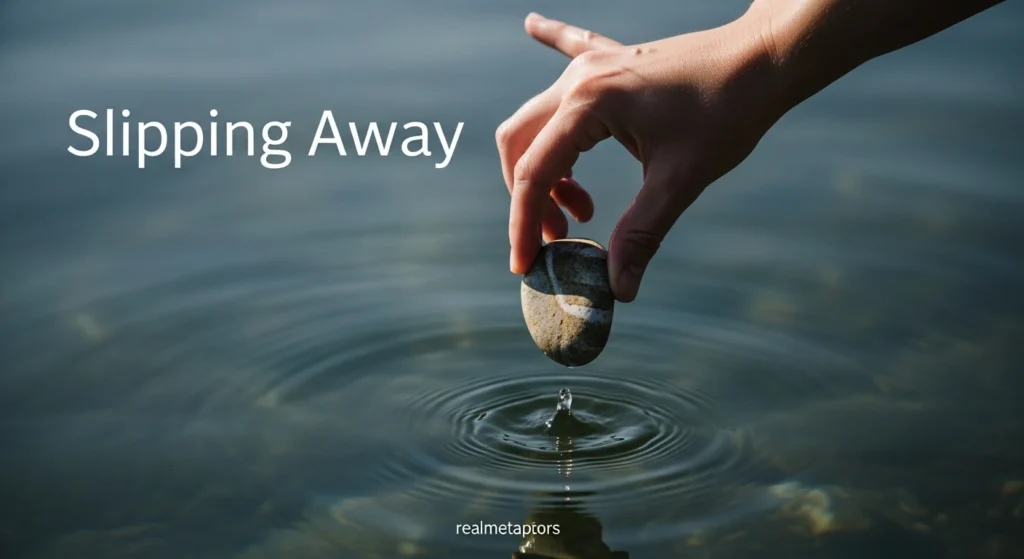
Meaning: Quietly leaving life without struggle or noise.
Example: “She slipped away in her sleep, leaving us with love.”
Alternatives: Gliding away, fading quietly, quietly departing.
Sensory Detail: Soft, almost imperceptible motion, calm.
Exercise: Write a letter to someone imagining their peaceful “slip away.”
11. Extinguishing the Flame
Meaning: Life ending like a fire burning out.
Example: “With one final sigh, he extinguished the flame.”
Alternatives: The last spark, candle snuffed out, fire dying.
Sensory Detail: Smell of smoke, coolness of the ashes.
Exercise: Use this metaphor in a social media caption honoring someone.
12. Walking Through the Door
Meaning: Leaving this world like stepping through a threshold.
Example: “He walked through the door with a calm smile.”
Alternatives: Crossing the threshold, passing into another room, opening the final door.
Emotional Detail: Curiosity, acceptance, new beginnings.
Exercise: Imagine what lies on the “other side” and describe it in 3 sentences.
13. Folding the Hands
Meaning: Death as a peaceful act of completion.
Example: “She folded her hands and rested forever.”
Alternatives: Laying to rest, resting hands, final repose.
Sensory Detail: Feel the gentle press of folded hands on the chest.
Exercise: Write a short reflective paragraph on a life “folding its hands.”
14. Leaving the Stage
Meaning: Life compared to a play or performance.
Example: “He left the stage, the curtain falling gently behind him.”
Alternatives: Curtain call, final bow, exit from the spotlight.
Literary Reference: Shakespeare often used life-as-theater metaphors.
Exercise: Create a mini-scene where a character “leaves the stage.”
15. Blowing Out the Lantern
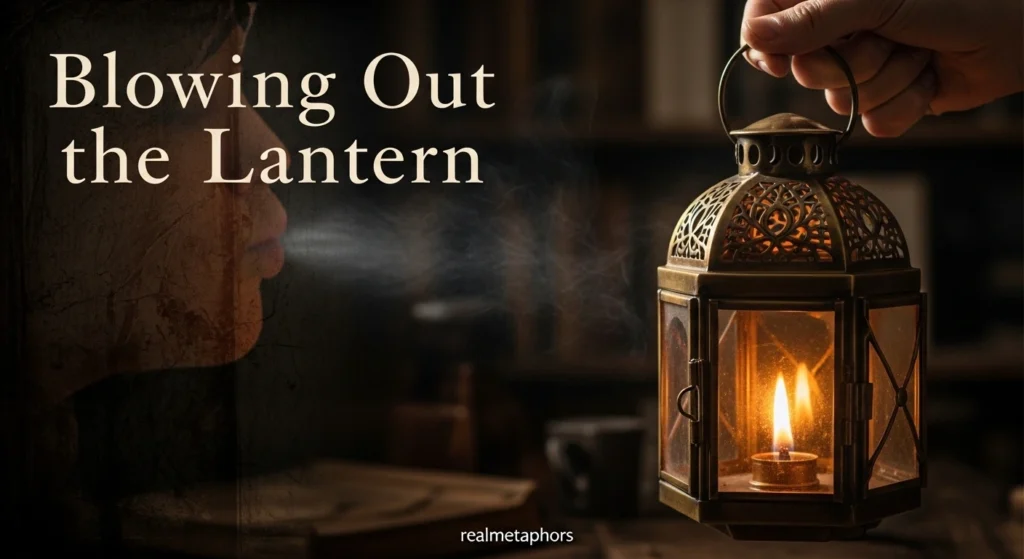
Meaning: Life fading like light extinguished.
Example: “His spirit blew out the lantern, leaving soft darkness.”
Alternatives: Dousing the light, nightfall, extinguishing the lamp.
Sensory Detail: Warm flicker vanishing, quiet calm.
Exercise: Describe a night where the “lantern blows out” and everything changes.
16. Melting into the Sea
Meaning: Becoming one with nature or the universe.
Example: “She melted into the sea, waves embracing her gently.”
Alternatives: Dissolving, merging with the waters, returning to the tide.
Sensory Detail: Hear the waves, taste the salt, feel freedom.
Exercise: Write a 2-sentence metaphorical story using “melting into the sea.”
17. Drifting into Silence
Meaning: Death as movement toward quiet and peace.
Example: “He drifted into silence, no more pain or noise.”
Alternatives: Floating away, silent passage, stillness at last.
Emotional Detail: Calm, release, gentle letting go.
Exercise: Imagine a character drifting into silence and describe their last thoughts.
18. Closing the Book
Meaning: Life as a story that comes to an end.
Example: “She closed the book, her story complete.”
Alternatives: Final chapter, end of tale, story concluded.
Literary Reference: Used widely in memoirs and reflective writing.
Exercise: Write a one-paragraph “final chapter” for someone’s life story.
19. Riding into the Sunset

Meaning: A classic metaphor for death with dignity and beauty.
Example: “He rode into the sunset, leaving memories behind.”
Alternatives: Sunset ride, golden horizon, fading light journey.
Cultural Reference: Often used in Western films for heroic or peaceful endings.
Exercise: Visualize someone riding into the sunset and write their imagined final thought.
20. Falling Asleep Forever
Meaning: A gentle, peaceful metaphor for death.
Example: “After the illness, she fell asleep forever.”
Alternatives: Eternal rest, final sleep, drifting into dreams.
Sensory Detail: Soft pillow, warmth, serenity.
Exercise: Write a short reflection on someone “falling asleep forever.”
21. Passing Through the Mist
Meaning: Leaving life into uncertainty or mystery.
Example: “He passed through the mist, unseen but remembered.”
Alternatives: Vanishing into fog, moving into haze, disappearing quietly.
Sensory Detail: Cool mist, blurred shapes, ethereal feeling.
Exercise: Create a mini-story using “passing through the mist.”
22. Joining the Stars
Meaning: Becoming part of the universe after death.
Example: “She joined the stars, twinkling in the night sky.”
Alternatives: Among the constellations, celestial merging, stardust reborn.
Sensory Detail: Sparkling light, infinite sky, cosmic calm.
Exercise: Write a metaphorical social media tribute using “joining the stars.”
23. Turning into a Memory
Meaning: Living on only in the minds and hearts of others.
Example: “He turned into a memory, cherished by all.”
Alternatives: Eternal memory, lingering thought, legacy of love.
Emotional Detail: Nostalgia, warmth, bittersweet sadness.
Exercise: Reflect on someone’s life and write a sentence about them “turning into a memory.”
24. Flying Away

Meaning: Departing life like a bird in flight.
Example: “His spirit flew away at dawn, light and free.”
Alternatives: Soaring into the sky, taking wing, leaving the earth.
Sensory Detail: Wind rushing, freedom, open sky.
Exercise: Write a one-paragraph story where a character “flies away” symbolically.
25. Lighting the Last Candle
Meaning: The final act of life as an illumination.
Example: “She lit the last candle and whispered goodbye.”
Alternatives: Final spark, last illumination, fading glow.
Sensory Detail: Flickering light, gentle warmth, quiet reflection.
Exercise: Use this metaphor in a short poem about endings and remembrance.
Bonus Tips for Using Metaphors for Dying
- Context Matters: Choose metaphors that suit the tone—poetic, gentle, reflective, or dramatic.
- Blend Senses: Add sights, sounds, or emotions to make the metaphor vivid.
- Use Sparingly: One strong metaphor can be more powerful than many weak ones.
- Combine with Stories: Mini-stories, personal experiences, or dialogues make metaphors relatable.
- Adapt for Everyday Use: Social media posts, messages of sympathy, or storytelling benefit from gentle, clear metaphors.
Conclusion
Metaphors for dying are more than literary tools—they are bridges between the unspeakable and the human heart. From crossing the river to joining the stars, these metaphors help us express grief, comfort, reflection, and beauty. By practicing and using them thoughtfully, we can transform the way we talk about life and death, bringing empathy, creativity, and emotional depth into every conversation or story. Start small—pick one metaphor, use it in a sentence or story, and notice how it transforms your words.
FAQs
1. Why are metaphors for dying important?
Metaphors help describe something abstract, emotional, or difficult in concrete, relatable terms. They make conversations about death more sensitive and meaningful.
2. Can I use these metaphors in everyday speech?
Absolutely. Gentle metaphors like “falling asleep forever” or “turning into a memory” are commonly used to comfort others or reflect on life.
3. How do I choose the right metaphor?
Consider the tone, relationship, and purpose. For peaceful endings, use soft metaphors like “slipping away.” For poetic or spiritual writing, “joining the stars” or “meeting the eternal” works well.
4. Can I create my own metaphors for dying?
Yes! Think about imagery that evokes emotion or sensory experience. Combine nature, light, journey, or transformation with life’s end.
5. How do I avoid clichés?
Use metaphors in new contexts, mix images, or personalize them. For example, instead of “crossing the river,” you might write “sailing past the silver horizon,” which is fresh and poetic.