Imagine stepping out on a quiet night. The world is still, the air is cool, and above you hangs a glowing, silvery circle in the sky. That’s the moon—soft, mysterious, and always watching over the night. Writers, poets, and storytellers have long used the moon to describe feelings, moments, and ideas in ways that simple words sometimes cannot. One way they do this is through metaphors—figures of speech that compare the moon to something else to make it come alive in your imagination.
In this article, we’ll explore 25+ easy metaphors for the moon, explain what they mean, give examples, and even show you how to use them in stories, social media, or everyday life. By the end, you’ll be able to think about the moon in a whole new, creative way.
1. The Silver Lantern
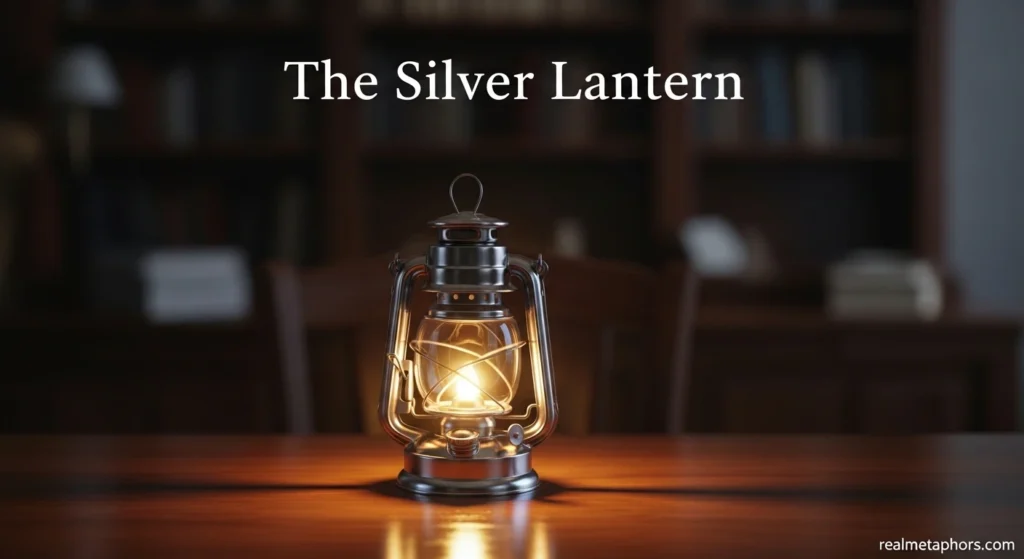
Meaning: The moon lights up the night like a gentle lantern.
Example: “The silver lantern hung above the sleeping village.”
Another way to say it: “The glowing night lamp.”
Details: Imagine a soft, glowing light that guides your steps in darkness.
2. Night’s Guardian
Meaning: The moon watches over the earth while we sleep.
Example: “The night’s guardian kept silent vigil as the world slumbered.”
Alternative: “The silent protector of the night.”
Details: Picture a gentle guardian floating high, calming the restless night.
3. Cosmic Mirror
Meaning: The moon reflects the sun’s light, like a mirror in space.
Example: “The cosmic mirror shimmered across the lake.”
Alternative: “The sky’s silver reflection.”
Details: Visualize the moon’s glow mirrored in water or glinting through clouds.
4. Lover’s Eye
Meaning: A romantic symbol that watches over lovers at night.
Example: “Under the lover’s eye, they whispered secrets.”
Alternative: “The romantic watcher in the sky.”
Details: The moon as a silent companion in love stories, soft and tender.
5. Night’s Pearl
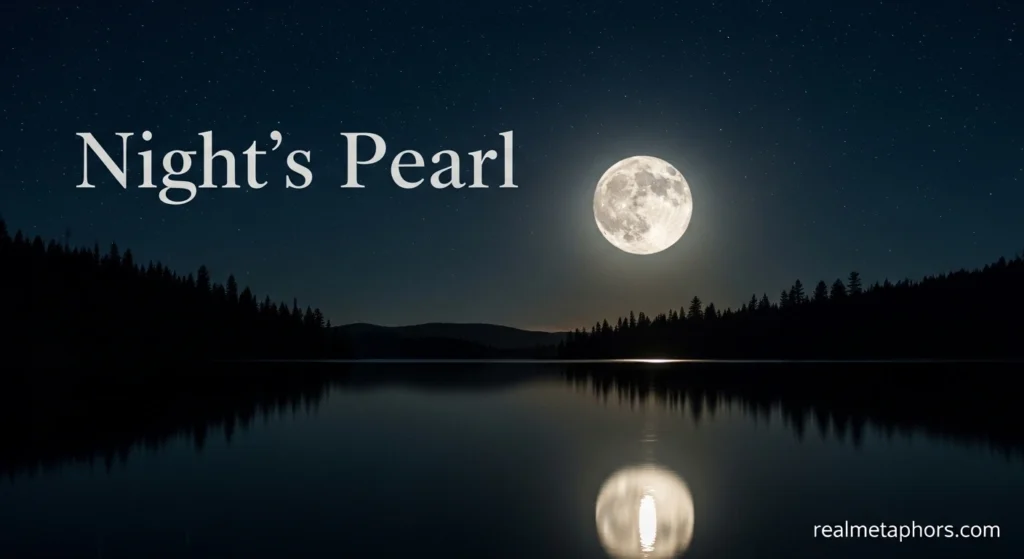
Meaning: A small, bright jewel in the darkness.
Example: “The night’s pearl floated above the city skyline.”
Alternative: “The glowing gem of the night.”
Details: Imagine the moon as a precious, shining pearl in a black velvet sky.
6. Silver Slice
Meaning: Refers to the crescent moon shape.
Example: “A silver slice hung delicately in the evening sky.”
Alternative: “The sky’s silver sliver.”
Details: Visualize a thin, curved silver piece delicately floating above.
7. Silent Poet
Meaning: The moon inspires thoughts and feelings without speaking.
Example: “The silent poet stirred her imagination with its glow.”
Alternative: “The quiet muse of the night.”
Details: Think of the moon as an invisible writer, stirring creativity.
8. Nightlight
Meaning: The moon acts like a natural light in darkness.
Example: “The moon’s nightlight helped the children see their way home.”
Alternative: “The sky’s lamp.”
Details: Picture the soft, gentle light making shadows dance.
9. Floating Lantern
Meaning: The moon drifts slowly, like a lantern in the sky.
Example: “The floating lantern moved across the clouds.”
Alternative: “The drifting sky lantern.”
Details: Imagine a paper lantern carried by a breeze, but in the sky.
10. Silver Disc
Meaning: The moon as a perfect, glowing circle.
Example: “The silver disc hovered above the mountains.”
Alternative: “The celestial coin.”
Details: Simple, round, and bright—like a glowing coin in the sky.
11. Cosmic Clock
Meaning: The moon tells time through its phases.
Example: “The cosmic clock marked the changing seasons.”
Alternative: “The night’s timekeeper.”
Details: Think of it as a natural calendar in the sky.
12. Star’s Companion
Meaning: The moon always shares the night with stars.
Example: “The star’s companion drifted among the glittering sky.”
Alternative: “The night’s loyal friend.”
Details: Picture the moon walking beside sparkling stars.
13. Silver Boat
Meaning: The moon floats like a boat in the night sky.
Example: “The silver boat sailed across the horizon.”
Alternative: “The luminous vessel of night.”
Details: Imagine the moon gliding gently, as if on calm water.
14. Night’s Eye
Meaning: A watchful eye over the world.
Example: “The night’s eye observed the sleeping city.”
Alternative: “The sky’s guardian eye.”
Details: Visualize a calm, protective eye glowing softly above.
15. Lunar Lantern
Meaning: Another way to describe the moon as a guiding light.
Example: “The lunar lantern lit the traveler’s path.”
Alternative: “Moonlit guide.”
Details: Bright, soft light that shows the way without harshness.
16. Silver Disk of Dreams
Meaning: The moon inspires imagination and dreams.
Example: “The silver disk of dreams floated above the poet’s window.”
Alternative: “The dreamer’s moon.”
Details: Imagine the moon turning thoughts into visions.
17. Night’s Jewel
Meaning: The moon as a precious gem in darkness.
Example: “The night’s jewel gleamed over the ocean.”
Alternative: “Sky’s treasure.”
Details: A shining gem catching attention and admiration.
18. Cosmic Lantern
Meaning: A grand lantern in space lighting up the night.
Example: “The cosmic lantern guided the sailors at sea.”
Alternative: “Heavenly torch.”
Details: Picture a giant lantern floating silently, illuminating the world.
19. Silver Eye of Heaven
Meaning: The moon as a divine, watchful presence.
Example: “The silver eye of heaven watched over the quiet village.”
Alternative: “Heavenly watcher.”
Details: Imagine a glowing eye, peaceful yet powerful.
20. Nighttime Beacon
Meaning: A guiding light during darkness.
Example: “The nighttime beacon helped travelers find their way.”
Alternative: “Moonlit signal.”
Details: Think of it as a soft signal in the vast dark sky.
21. Sky’s Lantern
Meaning: Another simple metaphor for moonlight.
Example: “The sky’s lantern floated silently above.”
Alternative: “Night’s lamp.”
Details: Imagine the sky holding a small, glowing lamp for all below.
22. Gentle Watcher
Meaning: The moon observes the world quietly.
Example: “The gentle watcher saw the lovers under its glow.”
Alternative: “Silent observer.”
Details: Calm, soft, and present, without judgment.
23. Celestial Glow
Meaning: A glowing presence in space.
Example: “The celestial glow lit the mountain path.”
Alternative: “Heavenly radiance.”
Details: Bright and soft light from a distant, magical place.
24. Lunar Gem
Meaning: A shining jewel in the sky.
Example: “The lunar gem sparkled above the hills.”
Alternative: “Moon jewel.”
Details: Small, brilliant, precious, and eye-catching.
25. Silver Companion
Meaning: The moon as a friend that never leaves.
Example: “The silver companion hovered above the lonely traveler.”
Alternative: “Night’s faithful friend.”
Details: Picture the moon keeping company in solitude.
Fun Exercises and Prompts to Practice Moon Metaphors
- Daily Observation: Look at the moon tonight. Write 5 metaphors that come to mind. Try mixing shapes, feelings, or colors.
- Story Starter: Begin a story with: “The moon watched silently as…” Fill in what happens next.
- Social Media Challenge: Post a photo of the moon and write a short metaphor in one sentence.
- Mix and Match: Take a metaphor (like “silver lantern”) and describe an everyday object using the same style.
- Metaphor Swap: Take a simple sentence like “The moon is bright” and turn it into a metaphor using your imagination.
Extra Tips:
- Use metaphors to make your writing poetic and memorable.
- Pair visual metaphors with emotions for deeper impact.
- Mix cultural references like moon festivals or myths for richer descriptions.
FAQs
Q1: What is a metaphor?
A: A metaphor is a way to describe something by comparing it to something else, without using “like” or “as.”
Q2: Why use metaphors for the moon?
A: They make writing more vivid, emotional, and imaginative, helping readers see and feel the moon in unique ways.
Q3: How do I create my own metaphors?
A: Think of what the moon reminds you of—light, shape, feelings, or objects—and describe it creatively.
Q4: What are common mistakes with metaphors?
A: Avoid mixing too many ideas at once or using clichés. Keep metaphors clear and relevant.
Q5: Can metaphors be used in everyday life?
A: Yes! You can describe experiences, moods, or scenery using metaphors to make conversations more expressive.
Q6: How can metaphors improve stories?
A: They add depth, emotion, and imagery, helping readers imagine scenes vividly.
Q7: Are metaphors only for writing?
A: No, they’re useful in speeches, social media posts, poetry, and even daily conversations.