
Imagine a tiny seed buried under a pile of heavy soil. It is dark, cold, and weighed down by obstacles. Yet, it pushes through the earth, grows toward the sunlight, and eventually becomes a strong, tall tree. That seed’s journey is exactly what resilience feels like—a hidden strength that helps us survive, adapt, and thrive, no matter what challenges come our way.
Resilience is our inner ability to bounce back from difficulties. Just like the seed, we can face tough situations and still keep moving forward. One way to describe resilience vividly is through metaphors. Metaphors help us understand complex ideas by comparing them to things we already know. Let’s explore 25+ easy metaphors for resilience, each with examples, alternative ways to say it, and small details that make them easy to picture.
1. Bamboo in the Wind
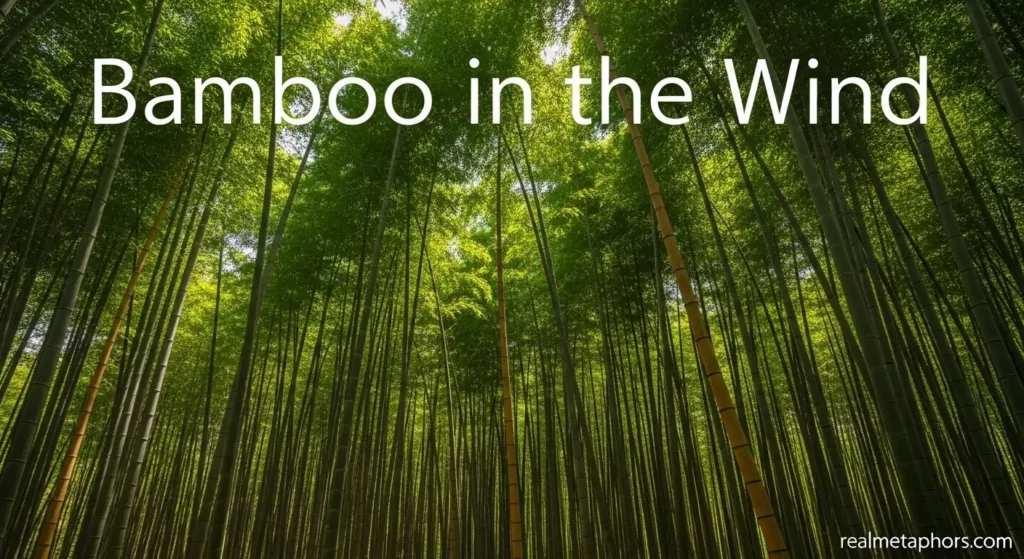
Meaning: Flexible but strong, able to bend without breaking.
Example: She handled criticism like bamboo in the wind, adapting gracefully.
Alternative: Like a willow swaying in a storm.
Details: Picture bamboo bending during a heavy gust, yet standing tall afterward.
2. Phoenix Rising from the Ashes
Meaning: Coming back stronger after failure or loss.
Example: After losing his job, he rebuilt his career like a phoenix rising from the ashes.
Alternative: Like a fighter starting fresh after defeat.
Details: Inspired by the mythological bird reborn from fire, symbolizing renewal.
3. Rubber Band
Meaning: Stretching under pressure but returning to its shape.
Example: She stretched herself with new responsibilities but snapped back like a rubber band.
Alternative: Elastic strength.
Details: Imagine a rubber band being pulled and letting go—tough but adaptable.
4. Oak Tree
Meaning: Strong, grounded, and enduring hardships.
Example: Despite tough times, he remained an oak tree for his family.
Alternative: Rock-solid and dependable.
Details: Oaks weather storms without falling. Their deep roots give stability.
5. Stepping Stone
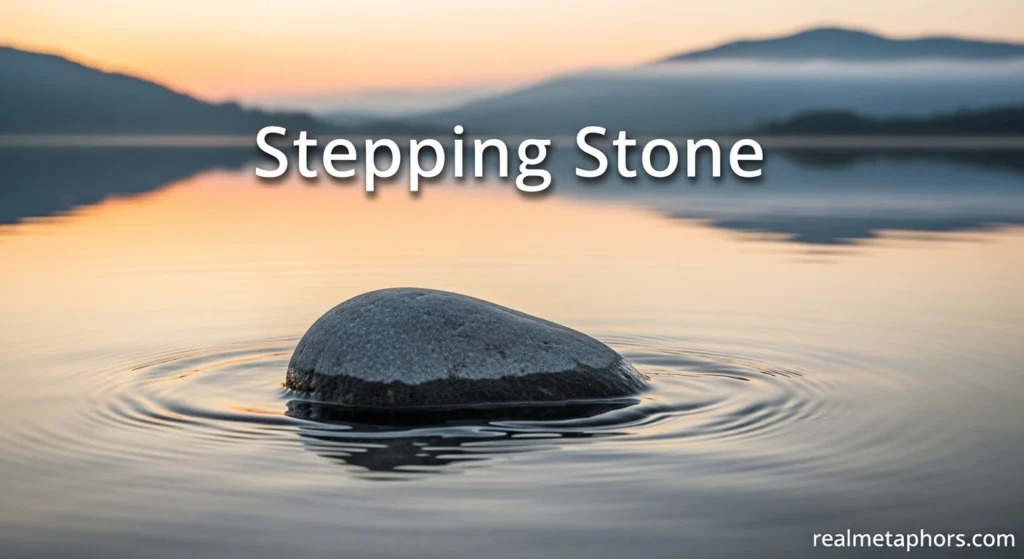
Meaning: Using challenges as opportunities to grow.
Example: Each failure was a stepping stone toward her dream.
Alternative: Ladder rungs on the path to success.
Details: Visualize walking across a river on stones—you step carefully but move forward.
6. Spring After Winter
Meaning: Renewal after a hard season.
Example: Life gave him a tough winter, but spring always comes.
Alternative: Fresh starts.
Details: Winter symbolizes struggle; spring represents growth and hope.
7. Mountain Climber
Meaning: Facing obstacles step by step, steadily moving upward.
Example: He tackled his challenges like a mountain climber scaling a cliff.
Alternative: Gradual progress.
Details: Picture climbing with effort, patience, and determination.
8. Shield in Battle
Meaning: Protecting oneself and enduring challenges.
Example: Her calm attitude was a shield in the stressful workplace.
Alternative: Defensive strength.
Details: Shields absorb hits without giving up the fight.
9. Lighthouse
Meaning: Standing firm in turbulent times to guide oneself or others.
Example: She became a lighthouse for her friends during a crisis.
Alternative: Guiding light.
Details: Lighthouses withstand storms, always showing the way.
10. Diamond Under Pressure
Meaning: Toughness formed by hardship.
Example: He turned pressure into brilliance like a diamond under heat.
Alternative: Precious resilience.
Details: Diamonds are formed deep in the Earth through intense pressure.
11. River Cutting Through Rock
Meaning: Persistence over time creates impact.
Example: Her constant effort shaped success like a river carving stone.
Alternative: Steady force.
Details: Water wears rock slowly but inevitably.
12. Sailboat in a Storm
Meaning: Navigating difficulties with skill and balance.
Example: She steered her life like a sailboat in a stormy sea.
Alternative: Steering through turbulence.
Details: Imagine balancing the sails, adjusting direction, staying afloat.
13. Phoenix Feather
Meaning: Small signs of strength and recovery.
Example: Every small victory was a phoenix feather in her journey.
Alternative: Tiny sparks of hope.
Details: Even little signs show we are rising from hardship.
14. Iron Will
Meaning: Unbreakable determination.
Example: His iron will helped him finish the marathon despite pain.
Alternative: Steely determination.
Details: Imagine holding something heavy without letting go, showing inner strength.
15. Candle in the Dark
Meaning: Offering light despite adversity.
Example: She remained a candle in the dark for those who needed hope.
Alternative: Beacon of hope.
Details: A small flame can brighten darkness and guide others.
16. Climbing Ivy
Meaning: Growing upward despite obstacles.
Example: He moved forward in his career like ivy climbing a wall.
Alternative: Persistent growth.
Details: Ivy wraps around barriers but still reaches the sun.
17. Armor
Meaning: Emotional or mental protection against difficulties.
Example: She built emotional armor to handle criticism.
Alternative: Protective barrier.
Details: Armor shields yet allows movement and action.
18. Lighthouse Beam
Meaning: Showing resilience through guidance or leadership.
Example: Her advice was a lighthouse beam for struggling students.
Alternative: Illuminating hope.
Details: Even a small beam pierces darkness.
19. Turtle in the Storm
Meaning: Slow but steady, taking time to survive.
Example: He handled setbacks like a turtle in the storm, patient and careful.
Alternative: Steady perseverance.
Details: The turtle hides when threatened but keeps moving.
20. Bridge Over Troubled Water
Meaning: Supporting oneself or others through hardship.
Example: She became a bridge over troubled water for her family.
Alternative: Source of support.
Details: Bridges connect difficult points safely.
21. Seed in the Desert
Meaning: Thriving in harsh conditions.
Example: He grew opportunities like a seed in the desert.
Alternative: Flourishing against odds.
Details: Even in dry land, seeds can bloom with care.
22. Knot in a Rope
Meaning: Holding things together in tough times.
Example: She was the knot in a rope that kept the team united.
Alternative: Strong connector.
Details: Knots prevent unraveling even under tension.
23. Resilient Glass
Meaning: Tough and able to withstand pressure.
Example: His resilient glass nature let him handle criticism without breaking.
Alternative: Shatterproof spirit.
Details: Like tempered glass, it can take stress and bounce back.
24. Eagle Soaring Against Wind
Meaning: Rising above challenges with courage.
Example: She soared against obstacles like an eagle against the wind.
Alternative: Courageous ascent.
Details: Eagles use wind resistance to lift higher, symbolizing smart resilience.
25. Knitting Thread
Meaning: Small, consistent efforts weave a strong outcome.
Example: Her daily practice was like a knitting thread forming a beautiful quilt of success.
Alternative: Persistent effort.
Details: Every tiny stitch contributes to a bigger picture.
26. Clay in the Potter’s Hands
Meaning: Shaped by challenges into a better version of oneself.
Example: Life molded him like clay in the potter’s hands.
Alternative: Transformative resilience.
Details: Soft at first, shaped carefully, then becomes strong and beautiful.
Fun Exercises and Writing Prompts
- Metaphor Match Game:
- Write 10 challenges you face, then match each with a metaphor from above.
- Story Challenge:
- Pick one metaphor and write a 5-sentence story around it.
- Daily Social Media Post:
- Use a resilience metaphor to describe your day in one sentence.
- Personal Journal Exercise:
- Each evening, describe one way you “bent like bamboo” or “soared like an eagle” that day.
- Create Your Own Metaphors:
- Look at everyday objects and imagine how they represent resilience. Example: “A coffee filter—holding strength while letting what’s essential pass through.”
Extra Tips:
- Use metaphors sparingly for impact.
- Combine metaphors with emotions for more vivid writing.
- Picture them in your mind—visual images make metaphors easier to understand and remember.
FAQs
1. What is resilience? Resilience is the ability to recover from difficulties, adapt to change, and keep going despite setbacks.
2. Why use metaphors for resilience?
Metaphors make abstract ideas like resilience concrete and relatable. They create memorable mental images.
3. How do I create a resilience metaphor?
Think of something familiar that shows strength, flexibility, or recovery. Compare it to bouncing back or enduring hardship.
4. What are common mistakes with metaphors?
Avoid confusing or overused metaphors. Make sure the metaphor matches the feeling or idea clearly.
5. Can I use metaphors in daily life?
Yes! They are great for storytelling, speeches, social media posts, or journaling to inspire yourself and others.
6. How do I practice metaphors?
Start small. Describe simple events or feelings with one metaphor each day, then expand into stories.
7. Are all metaphors positive?
Not necessarily. Metaphors can describe struggle, danger, or negative situations. For resilience, focus on overcoming challenges.
8. Can metaphors improve my writing?
Absolutely. They make your writing vivid, emotional, and relatable, helping readers connect with your ideas.
Conclusion
Resilience is everywhere, in nature, in people, and in everyday life. Using metaphors not only helps us understand it better but also lets us express our inner strength creatively. Try these metaphors, practice with exercises, and watch your writing—and your mindset—grow stronger, just like that tiny seed reaching for the sunlight.