Imagine waking up one morning and feeling like the sky inside your head is cloudy. Nothing terrible has happened. But everything feels heavy. Your thoughts move slowly. You cancel plans. You tell people you’re “just tired.”
That cloudy sky? That’s one way to describe mental health.
Mental health is about how we think, feel, and handle life. Just like physical health affects our body, mental health affects our emotions, stress levels, and daily choices. Sometimes it feels bright and calm. Sometimes it feels stormy.
Metaphors help us explain these invisible feelings in simple, powerful ways. Below are 25+ easy metaphors for mental health, each with meaning, examples, and creative alternatives you can use in writing, social media, conversations, or storytelling.
1. Mental Health Is a Garden
What it means: Your mind needs care, attention, and time to grow well.
Example: “I’ve been watering my mental health garden by taking breaks.”
Another way to say it: Nurturing your inner world.
Imagine this: Pulling weeds (negative thoughts), planting seeds (good habits), and giving sunlight (support).
2. Mental Health Is the Weather
What it means: Feelings change. Storms pass.
Example: “It’s just a rainy week in my head.”
Another way: Emotional climate.
Imagine: Thunderstorms of anxiety. Sunny days of peace.
3. The Mind Is a Battery
What it means: You need rest to recharge.
Example: “My social battery is at 5%.”
Another way: Running on empty.
Imagine: Plugging yourself in with sleep and quiet time.
4. Mental Health Is a Muscle
What it means: It grows stronger with practice.
Example: “Therapy helped me strengthen my coping muscles.”
Another way: Emotional fitness.
Imagine: Doing small “reps” of self-care daily.
5. Anxiety Is a Smoke Alarm
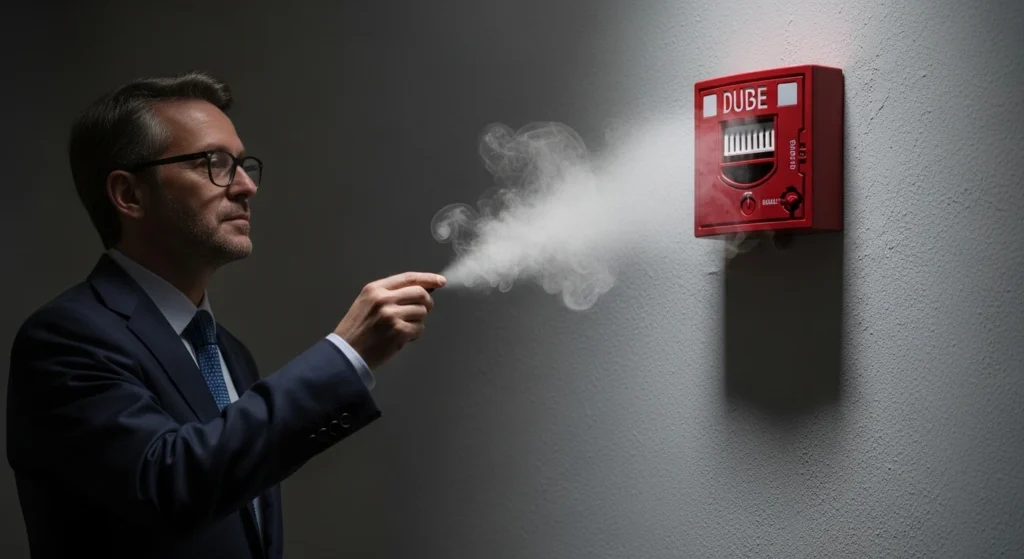
What it means: It alerts you to danger—but sometimes it’s too sensitive.
Example: “My anxiety alarm goes off even when there’s no fire.”
Another way: False emergency signal.
Imagine: A loud beep over burnt toast instead of a real fire.
6. Depression Is a Heavy Blanket
What it means: It feels hard to move or think clearly.
Example: “It’s like I’m under a weighted blanket I didn’t choose.”
Another way: Emotional fog.
Imagine: Trying to stand up while wrapped tightly in thick fabric.
7. Thoughts Are Passing Clouds
What it means: Thoughts come and go.
Example: “I let the negative thought drift by like a cloud.”
Another way: Observing without holding on.
Imagine: Watching shapes in the sky instead of chasing them.
8. The Mind Is a Garden Gate
What it means: You choose what enters.
Example: “I’m closing the gate on toxic comments.”
Another way: Setting boundaries.
Imagine: Politely locking out harmful energy.
9. Stress Is a Pressure Cooker
What it means: Without release, pressure builds.
Example: “I was about to explode like a pressure cooker.”
Another way: Boiling point.
Imagine: Steam building up without a vent.
10. Healing Is a Winding Road
What it means: Recovery isn’t straight.
Example: “I took a few turns backward, but I’m still moving.”
Another way: Nonlinear journey.
Imagine: Curves, hills, and scenic stops along the way.
11. Mental Health Is a Bank Account
What it means: You deposit and withdraw energy.
Example: “That weekend was a big emotional deposit.”
Another way: Energy savings.
Imagine: Saving joy for difficult days.
12. Trauma Is a Scar
What it means: It heals but leaves a mark.
Example: “The scar reminds me how far I’ve come.”
Another way: A healed wound.
Imagine: Tough skin formed after pain.
13. Emotions Are Ocean Waves
What it means: They rise and fall naturally.
Example: “I’m riding the wave instead of fighting it.”
Another way: Emotional tides.
Imagine: Floating instead of drowning.
14. The Brain Is a Computer
What it means: Thoughts can be reprogrammed.
Example: “I’m updating my mental software.”
Another way: Rewriting old code.
Imagine: Installing a healthier operating system.
15. Self-Care Is Fuel
What it means: You need it to function.
Example: “Reading is fuel for my mental health.”
Another way: Emotional gasoline.
Imagine: A car stalling without petrol.
16. Burnout Is an Empty Tank
What it means: You’ve used up your resources.
Example: “I’m completely out of gas.”
Another way: Running dry.
Imagine: A blinking red fuel light.
17. Negative Thoughts Are Background Noise
What it means: They’re there, but you don’t have to focus on them.
Example: “I turned down the volume on my inner critic.”
Another way: Static in the background.
Imagine: Lowering a noisy radio.
18. Therapy Is a Mirror
What it means: It helps you see yourself clearly.
Example: “Therapy showed me patterns I couldn’t see alone.”
Another way: Reflective space.
Imagine: Looking into a mirror that reveals hidden emotions.
19. Boundaries Are Fences
What it means: They protect your peace.
Example: “I built a fence around my weekends.”
Another way: Protective walls.
Imagine: A safe yard where you can relax.
20. The Inner Critic Is a Bully
What it means: Harsh self-talk can hurt.
Example: “I stopped letting my inner bully speak.”
Another way: Negative narrator.
Imagine: A voice that needs firm limits.
21. Mental Health Is a Compass
What it means: It guides your choices.
Example: “My anxiety was telling me something wasn’t right.”
Another way: Emotional direction.
Imagine: A compass needle pointing toward safety.
22. Hope Is a Small Candle
What it means: Even tiny hope lights darkness.
Example: “I held onto that candle during hard times.”
Another way: Flicker of light.
Imagine: A flame glowing in a dark room.
23. Resilience Is a Rubber Band
What it means: You bend but don’t break.
Example: “Life stretched me, but I bounced back.”
Another way: Emotional elasticity.
Imagine: Snapping back into shape.
24. Support Is a Safety Net
What it means: Others catch you when you fall.
Example: “My friends were my safety net.”
Another way: Soft landing.
Imagine: A circus net below a tightrope.
25. Mental Health Is a Playlist
What it means: Different moods play at different times.
Example: “Today feels like a slow acoustic song.”
Another way: Emotional soundtrack.
Imagine: Switching tracks to match your mood.
26. Growth Is a Sunrise
What it means: Change happens slowly but beautifully.
Example: “I didn’t notice the light until it filled the sky.”
Another way: New dawn.
Imagine: Darkness fading into soft morning colors.
Fun Exercises: Practice Using Mental Health Metaphors
1. Fill-in-the-Blank Challenge
Complete this sentence: “My anxiety feels like ______ because ______.”
2. Daily Mood Weather Report
Each morning, describe your mood like weather. Example: “Partly cloudy with a chance of hope.”
3. Social Media Caption Practice
Turn your feelings into a metaphor. Example: “Recharging my emotional battery this weekend.”
4. Story Starter
Write a short paragraph beginning with: “My mind is a garden, and today…”
5. Rewrite the Negative
Take a harsh thought and turn it into a softer metaphor. Instead of “I’m failing,” try “I’m climbing a steep hill.”
Extra Tips for Using Mental Health Metaphors
- Keep them simple and relatable.
- Use images people can see or feel.
- Don’t mix too many metaphors at once.
- Make sure the metaphor fits the emotion.
- Use them in journaling, therapy, poems, captions, or conversations.
Metaphors make mental health easier to talk about. They turn invisible feelings into visible pictures.
FAQs
1. What is mental health in simple words?
Mental health is how you think, feel, and cope with life’s challenges.
2. Why are metaphors useful for mental health?
They help explain complex emotions in simple, visual ways. They also make conversations less scary.
3. How can I create my own metaphor?
Ask: “What does this feeling remind me of?” Compare it to nature, objects, weather, or everyday things.
4. Can metaphors help in therapy?
Yes. Therapists often use metaphors to explain emotions, trauma, and healing in ways that feel safe and clear.
5. What is a common mistake when using metaphors?
Mixing too many images at once. Keep it clear and focused.
6. Are mental health metaphors good for writing?
Absolutely. They make stories, poems, and social posts more emotional and relatable.
7. Can metaphors change how I feel?
They can shift perspective. Seeing depression as “weather” reminds you storms pass.
Conclusion
Mental health is invisible—but metaphors give it shape, color, and movement. And sometimes, describing the storm is the first step toward seeing the sunrise.